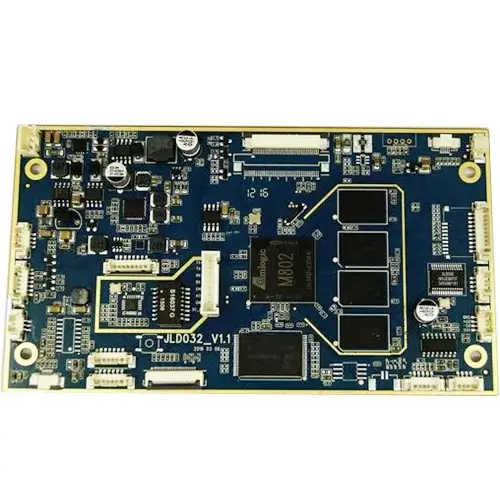
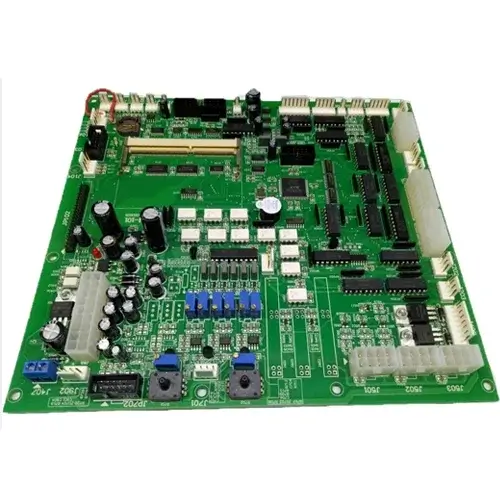
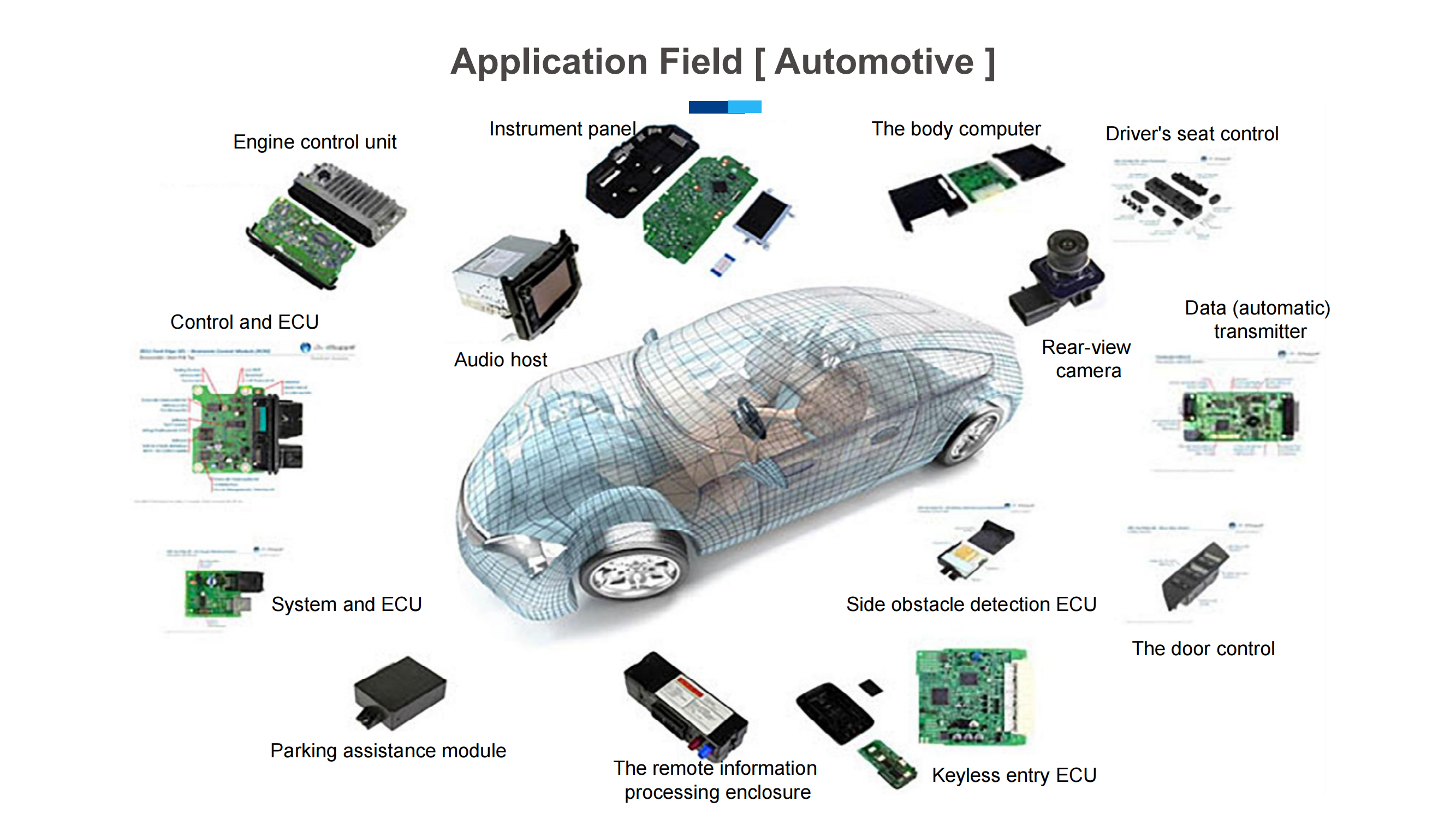
Automotive PCBs are crucial for the performance and reliability of modern vehicles, supporting systems from engine controls to infotainment.
Each car, however, is under slight constant vibrations from the engine, road surface, and vehicle movement, each of which may cause physical stress on the PCBs, eventually leading to their damage or failure if not correctly designed.
Temperature extremes are another challenge. Inside a car, temperatures can swing from freezing cold in winter to scorching heat in summer, with even more extreme conditions under the hood. PCBs must operate reliably across this wide range without performance issues.
Further, the PCB within automobiles is constantly exposed to some moisture levels, perhaps due to the humidity of the environment or even through condensation, and to the chemicals infiltrated within in the form of oils, fuels, and cleaning agents.
This consequently means that if not well protected, the PCB could be further affected by corrosion and other damages. It’s crucial to comprehend these severe conditions, a critical factor in ensuring that automotive PCBs have been designed and are made up to the demands of the rigid requirements of the automotive industry.
Now let’s discuss the quality standards and regulations for automotive PCB manufacturing.